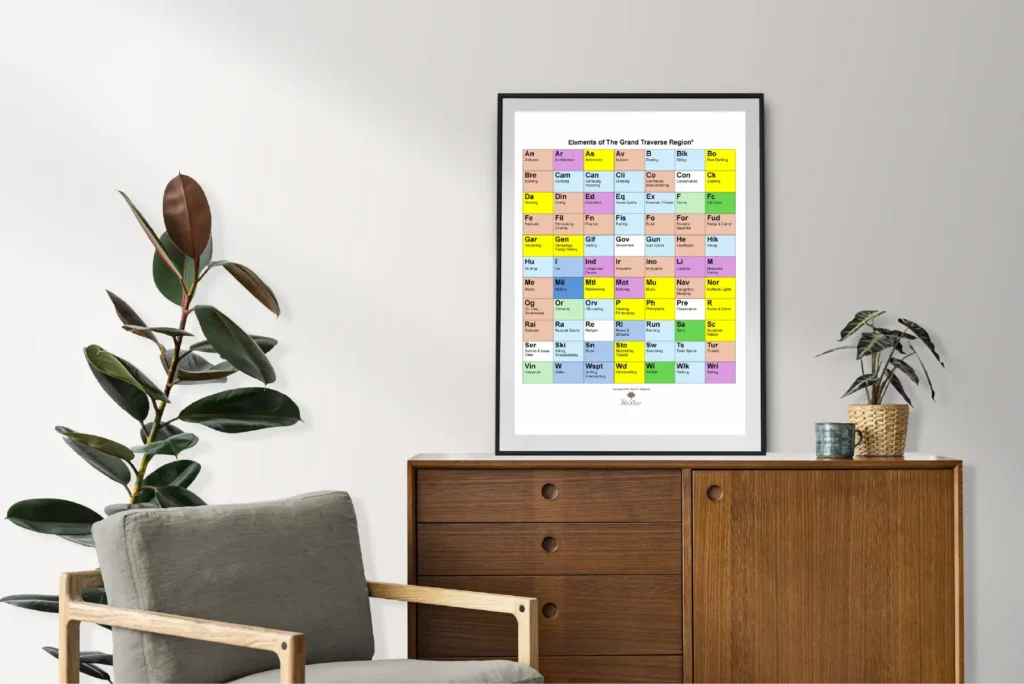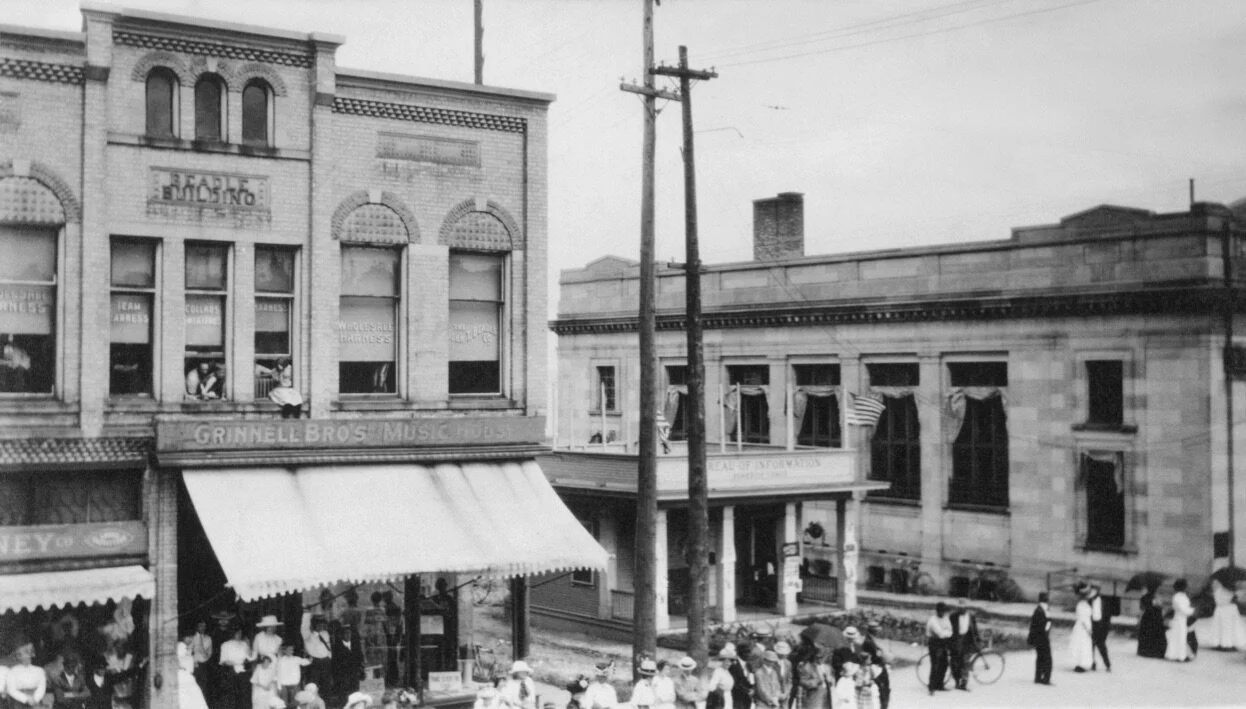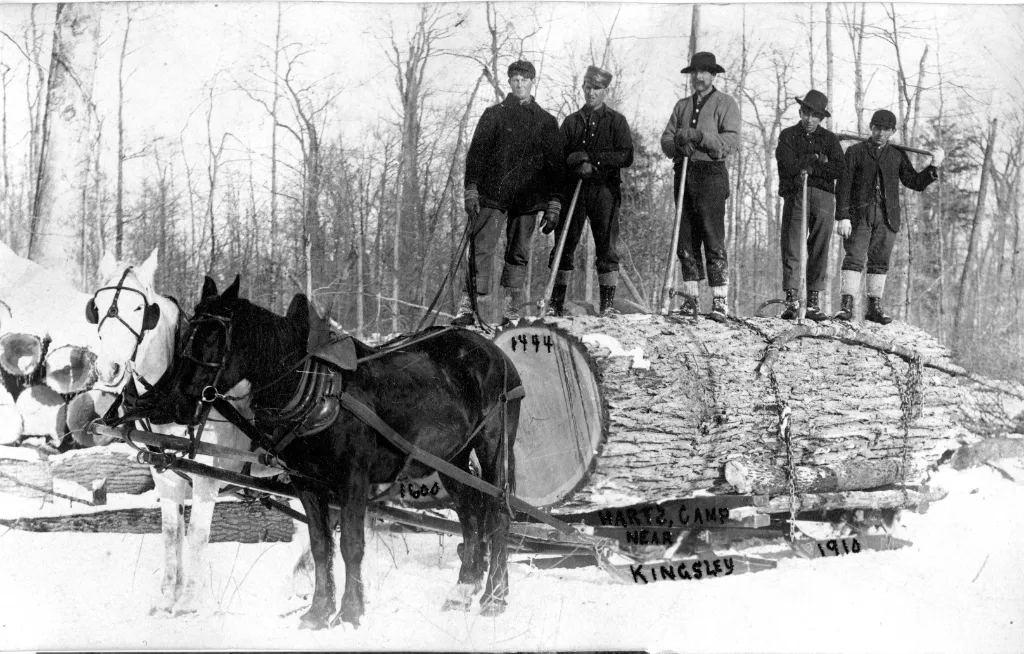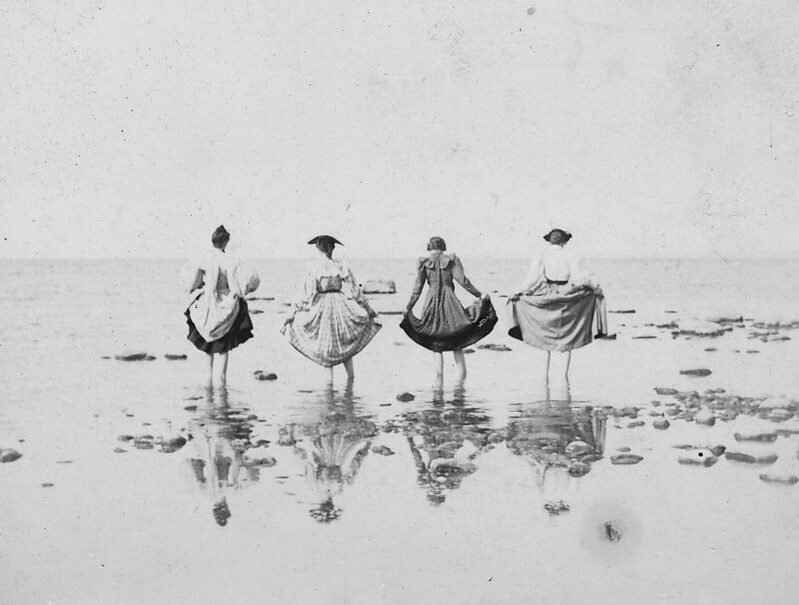
Antiques (An)
Every corner of the region holds echoes of the past—barnwood furniture, iron tools, and lakefront relics whisper stories of pioneers and mariners. Antique shops here aren’t just stores; they are time capsules of Traverse heritage.
Architecture (Ar)
From Victorian-era homes in Traverse City to rustic barns dotting the Leelanau countryside, the architecture reflects waves of settlement, prosperity, and the steady hand of craftspeople who shaped the land with both utility and beauty.
Astronomy (As)
Clear northern skies invite star-watchers. Long before modern telescopes, Indigenous peoples read stories in the constellations over Grand Traverse Bay. Today, astronomy clubs and stargazing events continue that tradition.
Aviation (Av)
Small airports and daring bush pilots once connected isolated towns. Aviation remains a lifeline for the region, carrying visitors in and opening skies for those who dream of flight above the shimmering lakes.
Boating (B)
The bay and inland lakes are highways of memory. Fishing tugs, schooners, and pleasure craft all share the same waters that once bore the lifeblood of commerce. Boating is more than recreation here—it’s inheritance.
Biking (Bik)
The rolling hills of Leelanau and the winding roads of Old Mission Peninsula invite riders to slow down and savor the landscape. Rail-to-trail paths echo the region’s railroad past, now transformed into ribbons of adventure.
Boat Building (Bo)
Wooden hulls crafted by hand once lined the bays. Today, boat builders honor that tradition with artistry—each vessel not just transportation, but a floating tribute to Traverse’s relationship with water.
Brewing (Bre)
Microbreweries thrive here, echoing the old German settlers who first brought hops and barley to Michigan soil. Each pint reflects the flavors of the land—cherry ales, piney IPAs, and the clear waters that make them sing.
Camping (Cam)
Generations have pitched tents beneath the pines, along dunes shaped by ancient glaciers. Whether in state parks or quiet backwoods, camping in Grand Traverse is a communion with nature’s patient rhythms.
Canoeing & Kayaking (Can)
Rivers like the Boardman and Crystal weave gentle courses, while the bay offers wide horizons. Paddling connects past to present, echoing the birchbark canoes once guided by Anishinaabek peoples.
Climbing (Cli)
Though not mountains, the dunes rise like giants. To climb Sleeping Bear or the bluffs of Leelanau is to feel the wind remind you: the land itself is a challenge and a gift.
Commerce & Manufacturing (Co)
Lumber once ruled these lands, with sawmills humming along the Boardman River. Later came furniture makers, canneries, and cherry processors. Commerce in Grand Traverse has always been tied to the gifts of the land and water, reshaped with each new generation.
Conservation (Con)
The beauty of the region demanded guardians. From protecting Sleeping Bear Dunes to preserving inland lakes, conservation here is a pact between people and place—ensuring that tomorrow still carries the same wild beauty as yesterday.
Cooking (Ck)
Kitchens hum with local abundance: fish from the bay, cherries from orchards, wild mushrooms from shaded forests. Cooking in the Grand Traverse is more than sustenance; it is storytelling through flavor.
Dancing (Da)
From powwows to barn dances, the beat of the drum and the fiddle have long animated gatherings. Dancing here is both celebration and memory—feet on wooden floors echoing through time.
Dining (Din)
Farm-to-table finds its truest home in this region. Restaurants draw directly from orchards, vineyards, and fields, offering meals that could not exist without the unique blend of soil, water, and climate that define the Traverse terroir.
Education (Ed)
From one-room schoolhouses to modern universities, education has carried the region forward. Yet, in Grand Traverse, much learning still happens outdoors—in orchards, on trails, and by the water’s edge.
Horse Sports (Eq)
Equestrian traditions stretch from farm fields to county fairs. Trails wind through woods where horses once hauled timber, now carrying riders who seek freedom in the rhythm of hoofbeats.
Exercise & Fitness (Ex)
From lakeside yoga at sunrise to cross-country trails in winter, the region makes fitness feel like communion with nature. The landscape itself is the gym—every hill, dune, and shoreline offering a workout wrapped in beauty.
Farms (F)
The lifeblood of Grand Traverse has always been its farms—orchards heavy with cherries, vineyards ripening in the sun, and fields that feed both families and festivals. Farming here is both legacy and livelihood.
Fall Color (Fc)
When autumn arrives, the forests ignite in fire. Maples blaze scarlet, birches shimmer gold, and every road becomes a painted corridor. Fall color is not just scenery—it is the land’s annual celebration before winter’s rest.
Festivals (Fe)
From the Cherry Festival to harvest fairs, gatherings tie communities together. Festivals here are more than events—they are rituals of belonging, where traditions live in music, parades, and shared meals.
Filmmaking & Cinema (Fil)
Northern Michigan’s landscapes have long drawn storytellers. Independent filmmakers find inspiration in the shifting light of the bay, while historic theaters preserve the magic of cinema as community gathering places.
Finance (Fn)
Commerce built banks along the waterfront, funding sawmills, shipping, and farms. Today, finance in the region carries both a pragmatic Midwestern sensibility and an undercurrent of risk-taking, the same spirit that drove pioneers to stay.
Fishing (Fis)
From Anishinaabek spearfishing traditions to modern charter boats chasing salmon, fishing remains woven into daily life. The lakes are a pantry, a playground, and a reminder of the region’s reliance on water.
Food (Fo)
Local food culture blends old and new—pasties from mining heritage, Scandinavian breads, and modern artisan creations. Every bite carries the memory of the hands and histories that shaped it.
Forestry & Sawmills (For)
The cry of saws once echoed endlessly through the pines. Lumbering built towns, then nearly broke them. Today, forestry is balanced with stewardship, acknowledging the mistakes of the past while nurturing sustainable growth.
Fudge & Candy (Fud)
Tourists and locals alike savor sweets tied to memory. A walk downtown often ends with a slab of fudge, its sugary richness as much a part of the region’s identity as cherries or wine.
Gardening (Gar)
From backyard plots to grand public gardens, cultivation here reflects patience and pride. The soil nurtures vegetables, herbs, and blooms that remind residents that beauty and sustenance are never far apart.
Genealogy & Family History (Gen)
Every family here carries stories—of settlers crossing the lake by schooner, of farms carved from wilderness, of tribes rooted since time immemorial. Genealogy is not just research; it is the act of remembering place through bloodlines.
Golfing (Glf)
Rolling fairways along Lake Michigan’s bluffs and courses carved from hardwood forests make golf here more than a sport—it’s a dialogue with the landscape. Each swing carries a view worth remembering.
Government (Gov)
From small township halls to the historic courthouse in Traverse City, local governance reflects a tradition of community-centered decision-making. The balance between growth and preservation has always been the region’s central political challenge.
Gun Sports (Gun)
Hunting culture fostered a respect for firearms, and target ranges continue that heritage. Gun sports here are tied to responsibility, tradition, and the rhythms of northern outdoor life.
Healthcare (He)
Once limited to small-town doctors and traveling nurses, healthcare in the region has grown into modern hospitals and specialty clinics. Yet its foundation remains the same: neighborly care and a focus on community well-being.
Hiking (Hik)
Every trail is a thread in the region’s tapestry—through dunes, maple forests, and along rushing rivers. Hiking here is pilgrimage, where each step reconnects walkers to both earth and memory.
Hunting (Hu)
Generations have ventured into the woods at dawn, not only for venison or waterfowl, but to sustain a bond with the land. Hunting is both provision and ritual, handed down with reverence.
Ice (I)
Winter transforms the region into a crystalline world—frozen bays, ice caves along Lake Michigan, and skating rinks alive with laughter. Ice here is both beauty and challenge, shaping life each year.
Indigenous People (Ind)
The Grand Traverse Band of Ottawa and Chippewa Indians root this land in centuries of story, ceremony, and sovereignty. Their traditions continue to guide the region’s identity, reminding all who live here of deeper belonging.
Ironworks (Ir)
Though less famous than the forests or farms, iron once fueled the area’s growth—blacksmith shops, tools, and small foundries that kept ships, farms, and railways moving. Ironworks were the hidden heartbeat of progress.
Innovation (Ino)
From cherry pitting machines to new energy projects, ingenuity has always sparked here. Innovation in Grand Traverse reflects a frontier spirit—the drive to adapt, invent, and thrive within the gifts of land and lake.
Libraries (Li)
From small-town reading rooms to the historic Carnegie Library in Traverse City, libraries have always been sanctuaries of knowledge. They reflect a regional belief that stories, learning, and community belong to everyone.
Museums & History (M)
Museums across the region preserve tales of lumbering, maritime heritage, and Indigenous traditions. They are more than collections—they are living classrooms, where the past continually informs the present.
Media (Me)
Local newspapers, radio, and now digital outlets have long shaped the identity of Grand Traverse. Media here binds communities, carrying both the daily pulse and the deeper stories that define the region.
Military (Mil)
From Civil War volunteers to Cherry Capital Airport’s role in WWII training, the military history of this region runs deep. Memorials, parades, and veterans’ halls continue to honor the service woven into local families.
Metalworking (Mtl)
Blacksmiths and artisans shaped not just tools, but identity. Today, metalworkers forge both practical goods and art, continuing the tradition of shaping raw material into lasting heritage.
Motoring (Mot)
Early auto tours wound along sandy two-tracks, connecting farmsteads, orchards, and lake towns. Today, scenic drives like M-22 carry that same spirit of exploration, with every curve revealing another postcard view.
Music (Mu)
From Indigenous drumming to symphony orchestras, the region hums with melody. Summer festivals, winery concerts, and barn gatherings prove that music here is less performance than shared experience.
Navigation & Shipping (Nav)
Grand Traverse Bay has always been a highway. Schooners carried lumber, steamships ferried passengers, and today sailboats still harness the same winds. Navigation ties the people to the water as both livelihood and legacy.
Northern Lights (Nor)
On rare, electric nights, the aurora borealis paints the northern sky. For residents, witnessing this spectacle is both natural wonder and reminder of their place at the edge of the wild.
Oil, Gas & Renewables (Og)
The region’s energy story is mixed: early gas fields, modern pipelines, and now wind and solar. Each era reshaped both economy and landscape, reflecting the push-and-pull of progress and preservation.
Orchards (Or)
Cherries, apples, and peaches fill the hillsides with color and fragrance. Orchards are more than agriculture—they are symbols of perseverance, each season’s harvest feeding the spirit of the community.
Off-Roading (Orv)
Two-tracks, dune trails, and forest roads carry adventurers beyond the paved path. Off-roading is the modern echo of pioneer grit, exploring wild corners where silence and engine share the same space.
Painting & Printmaking (P)
Artists here capture bays, barns, and birch forests with brush and ink. Their works are as much preservation as creation—fixing the fleeting light and color of Grand Traverse in lasting form.
Photography (Ph)
From glass plates of lumber camps to drone shots over vineyards, photography has chronicled the region’s transformations. Every frame carries both beauty and truth, anchoring memory in image.
Preservation (Pre)
Historic barns, lighthouses, and town squares are carefully saved, not only for tourists but for identity. Preservation in Grand Traverse is a pact with time—an agreement that the past must remain visible within the present.
Rocks & Gems (R)
Glaciers once carved this land, leaving behind Petoskey stones, agates, and mineral treasures along the shorelines. Collecting them is both pastime and pilgrimage, each stone a tangible piece of ancient history.
Railways (Rai)
Though many tracks are gone, railways once tied Grand Traverse to the world. They carried lumber, fruit, and passengers, shrinking distances and fueling growth. Today, rail-trails keep their memory alive.
Racquet Sports (Ra)
From small-town tennis courts to lakeside pickleball games, racquet sports thrive as summer rituals. They blend leisure and competition, reflecting the region’s social, playful spirit.
Religion (Re)
Steeples rise above orchards and villages, testifying to the role of faith in daily life. From historic Catholic parishes to Indigenous spiritual traditions, religion here grounds community and continuity.
Rivers & Streams (Ri)
The Boardman, Platte, and countless unnamed creeks shape the landscape and sustain life. They are veins of the region, offering trout, power, and the soothing presence of moving water.
Running (Run)
From morning jogs along the bay to marathons that weave through vineyards, running reflects a lifestyle shaped by scenery. Every stride is carried by fresh air and open horizon.
Sand (Sa)
Nowhere is sand so commanding as Sleeping Bear Dunes. These shifting giants remind visitors of both time’s power and nature’s fragility—a landscape in constant motion.
Sculpture & Pottery (Sc)
Clay from the earth, stone from the shoreline, and metal from the forge all inspire makers. Artisans transform raw material into form, honoring both craft and the region’s natural palette.
Service & Social Clubs (Ser)
Rotary halls, veterans’ clubs, and neighborhood groups knit communities together. Service here is a way of life, echoing the neighborly ethic that sustains rural and small-town living.
Skiing & Snowboarding (Ski)
When winter deepens, hills alive with wildflowers in summer become playgrounds for snow. Skiing and snowboarding connect locals and visitors alike to the thrill of cold, crisp speed.
Snow (Sn)
Snow defines the rhythm of the north—blanketing farms, quieting woods, and demanding resilience. Yet it also brings joy, carving a season of play, reflection, and beauty.
Storytelling & Theater (Sto)
From oral traditions of Indigenous peoples to modern playhouses, storytelling thrives in Grand Traverse. Theater and tales alike turn life into art, weaving culture through words and performance.
Swimming (Sw)
Crystal-clear waters invite plunges in every season—whether a summer dip in Lake Michigan or a daring polar bear plunge in January. Swimming here is pure immersion in the land’s essence.
Team Sports (Ts)
Friday night lights, basketball in school gyms, and community softball leagues keep tradition alive. Team sports in the region are less about victory than about belonging.
Tourism (Tur)
Travelers have long been drawn north for the cool breezes, orchards, and lakefront. Tourism remains an economic lifeline and cultural exchange, shaping both how the region is seen and how it sees itself.
Vineyards (Vin)
Rolling hills, sandy soils, and lake effect breezes nurture world-class grapes. Vineyards here are more than industry—they are landscape, livelihood, and liquid poetry in a glass.
Water (W)
More than backdrop, water defines the region. Grand Traverse Bay, inland lakes, and rivers make this place what it is: life-giving, unifying, and endlessly inspiring.
Surfing & Kiteboarding (Wspt)
The bay transforms with the wind, welcoming surfers and kiteboarders who chase waves across freshwater horizons. These sports reveal a new kind of intimacy with Lake Michigan’s moods.
Woodcrafting (Wd)
From furniture to fine art, the tradition of woodworking continues a legacy born in lumber camps. Each piece is a story of resourcefulness and respect for the forest.
Wildlife (Wi)
Deer in the orchard, eagles above the bay, bears in the backcountry—wildlife reminds residents that this is still a place where humans share space with the untamed.
Walking (Wlk)
Sometimes the simplest act—wandering a shoreline or village street—offers the deepest connection. Walking here is meditation, history, and discovery at once.
Writing (Wri)
Authors have long found inspiration in the Traverse landscape, from waves on the bay to quiet winter nights. Writing here captures not only place, but the spirit that flows through it.