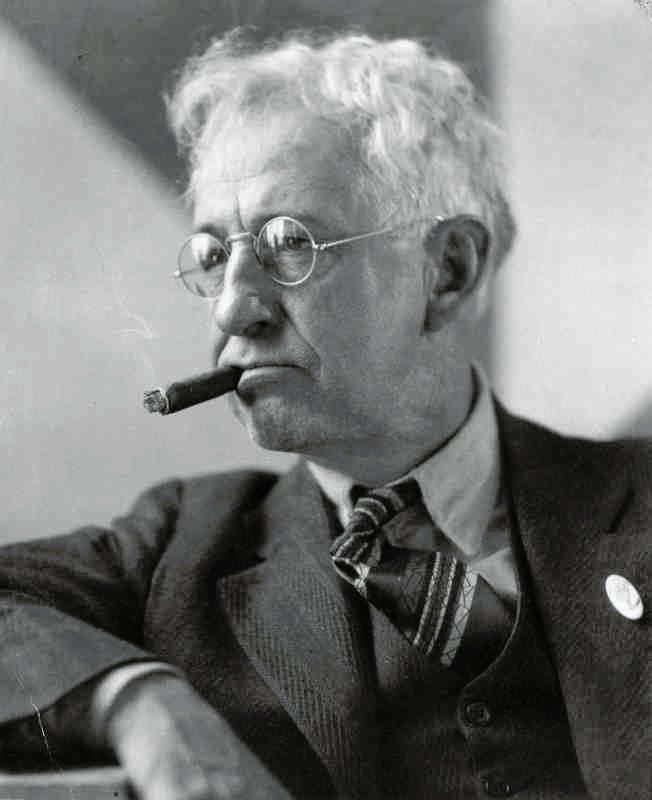
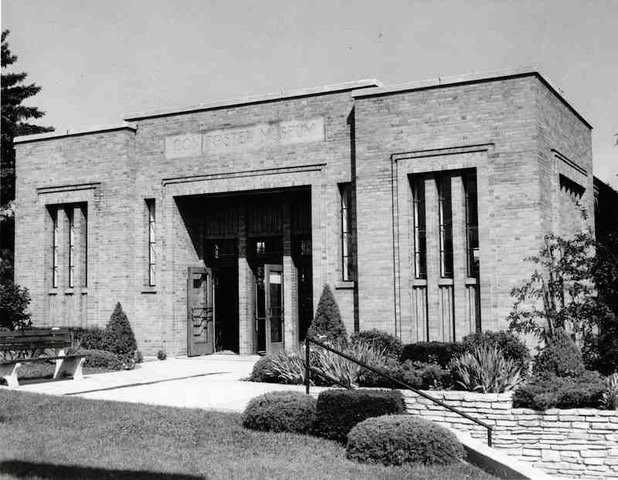
 After the Great Depression, a charismatic gent named Con Foster had a vision to beautify the Traverse City waterfront, create a civic park that would include a regional zoo, aquarium and museum. It became a reality in 1935. Over time, the Con Foster collection of artifacts was moved to a vacant city building and became the History Center. It closed in 2016 from lack of civic engagement.
In 2017, a small group of history enthusiasts conceived of a new way forward. While there are a dozen or so small history museums and societies in the five-county area, this group saw a vital need to embrace the entire region and tell the fascinating stories of its inhabitants through the eyes of the pioneers and civic founders. Today, our schools generally neglect teaching local history to the next generation. Visitors to the area appreciate our scenic beauty but have little knowledge of how we came to be.
Completely different – The more we plan, the more we research, the more we know we have to collaborate and do something completely different. The whole museum concept has changed in the last eight years.
Studying history is valuable because it helps us understand the past, learn from mistakes, and develop critical thinking skills, ultimately leading to a deeper understanding of ourselves and the world around us.
1. Understanding the Present and Predicting the Future
2. Developing Critical Thinking and Analytical Skills
3. Fostering Empathy and Cultural Understanding
4. Building a Sense of Identity and Belonging
“The world is in a constant state of evolution and change. Museum methods are two: over the past year the closure of physical museums due to the COVID 19 pandemic challenged us to re-image our institutions and re-ignite our audience engagement in innovative ways. With resiliency and agility, museums are re-defining what it means to be a museum in contemporary society. We are more than a place, a building, a noun, a repository. We are relationships. We are community. We aim to be art and not just see it, to inspire history in the making and not just study it.”
Museums must change from being places continuing artifacts requiring expert interpretation to places that provide impactful experiences and emotional connections that lead to life-changing personal insights. They must become agile content creators able to change as their visitors change. Only if this shift takes place can museums remain relevant to the populations they need to serve in today’s rapidly changing world.
As well as a shift in how museums think about visitors, there’s been a shift in how people think about museums. Rather than monolithic institutions, they are now seen as ever-changing community centers.
Source – Mark Walhimer, 2022, Designing Museum Experiences.
Digital collection – Rather than being burdened by the cost of collecting, cataloging, preserving and displaying hundreds of artifacts, our museum is a non-collecting entity with well-planned galleries and a presentation stage, plus a few permanent and temporary exhibits.
Eye-opening technology – An integral part of our mission is to use new technology and artificial intelligence to create, present and maintain fast-paced, engaging, ever-evolving content and experiences that build awareness of our cultural heritage and history affecting community life today and into the future.
Learn and explore – We intend to stimulate young people – whether in a private or public educational setting with programming and activities which unlock their heritage and spur exploration.
Benefits for all – While encouraging the growth of cultural tourism, our aim is to serve as a valued resource for collaboration with businesses, organizations, residents and visitors.
Why Regional?
It’s been said that we who live here are good at recreation, agriculture, food, beer & wine, small business, the arts and festivals, hunting & fishing, but we “don’t do history well.” Our first responders demonstrate courage, our business and education leaders demonstrate our brains, our charitable and healthcare organizations demonstrate our heart, but there is more need to demonstrate our commitment to the region’s soul.
There are dozens of chambers, tourism outlets and publications, yet none encompass the region and present the history and culture in a comprehensive and innovative way. History on the Water will be a hub, gateway, and the “History Channel” for our region.
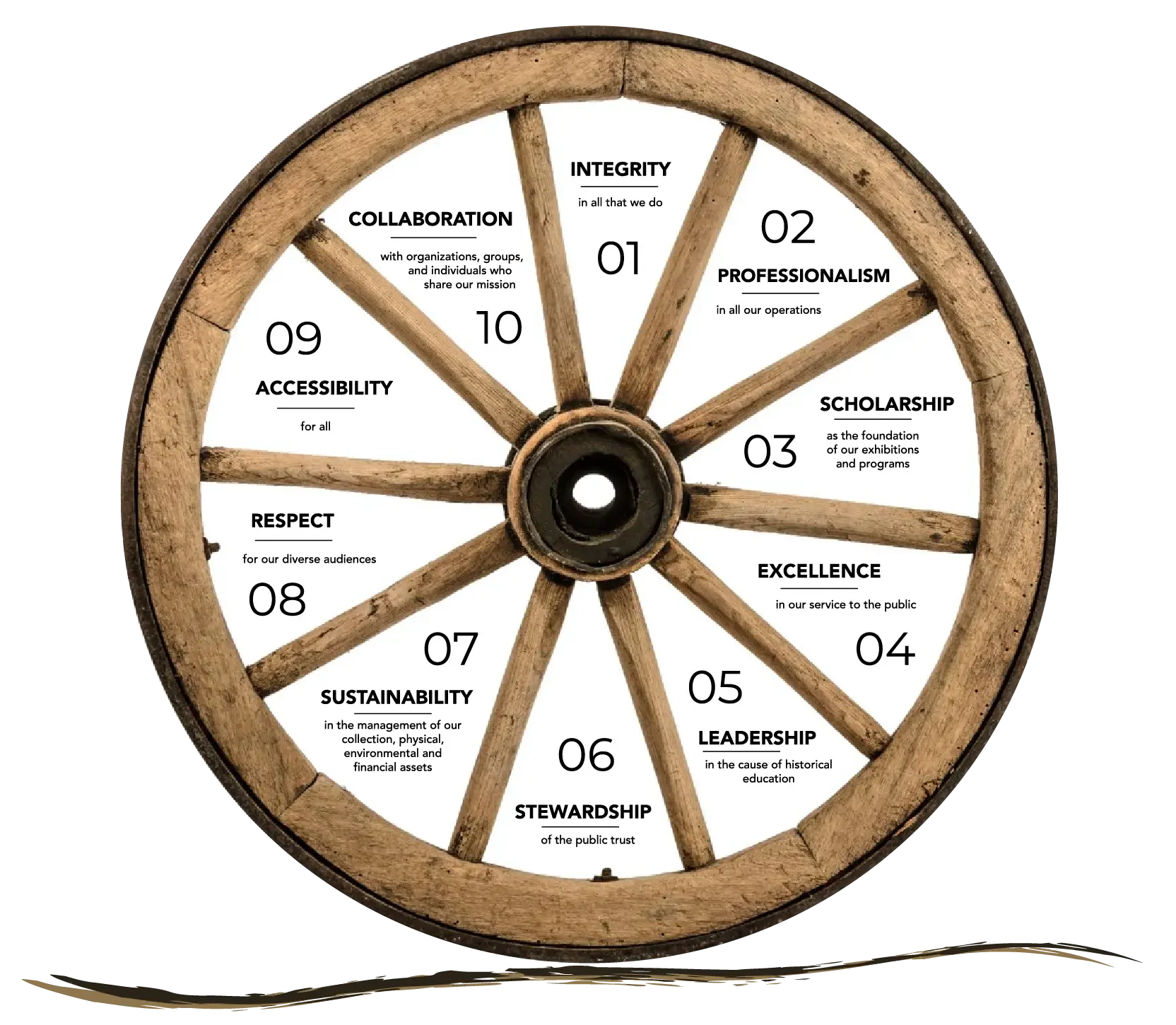
The road we travel – To really be the best, we need to excel at all 10 values. Because if you are missing one, progress will be slowed.
Lorem Traverse ipsum dolor sit amet, peninsula inter aquas magni lacus Michigan et Superiorus, ubi vinetum et campi pomarii olim radices ceperunt. In valle solis inter Benzie et Leelanau, settleres cum Ojibwa et Odawa commercia fecerunt, piscibus abundantibus et pinis fragrantibus circumdati. Antrum rupium et dunes arenosi maris recordantur temporum glacialium, cum glacies vetusta sinum sculpsit et aquas claras reliquit.
Portus Traversea, ubi naves mercatoriae se collocabant, factus est centrum commercii in saeculo undevicesimo. Ligna ab Antrim silvis missa sunt, vinum de collibus Leelanau effusum est, et horti cerasorum rubrum colorem regioni dederunt. Lorem in via Boardman fluminis, molendina aquatica sibilum suum per saecula tenuerunt, testantes industriam et laborem communitatis.
After the Great Depression, a charismatic gent named Con Foster had a vision to beautify the Traverse City waterfront, create a civic park that would include a regional zoo, aquarium and museum. It became a reality in 1935. Over time, the Con Foster collection of artifacts was moved to a vacant city building and became the History Center. It closed in 2016 from lack of civic engagement.
In 2017, a small group of history enthusiasts conceived of a new way forward. While there are a dozen or so small history museums and societies in the five-county area, this group saw a vital need to embrace the entire region and tell the fascinating stories of its inhabitants through the eyes of the pioneers and civic founders. Today, our schools generally neglect teaching local history to the next generation. Visitors to the area appreciate our scenic beauty but have little knowledge of how we came to be.
Completely different – The more we plan, the more we research, the more we know we have to collaborate and do something completely different. The whole museum concept has changed in the last eight years.
Studying history is valuable because it helps us understand the past, learn from mistakes, and develop critical thinking skills, ultimately leading to a deeper understanding of ourselves and the world around us.
1. Understanding the Present and Predicting the Future
2. Developing Critical Thinking and Analytical Skills
3. Fostering Empathy and Cultural Understanding
4. Building a Sense of Identity and Belonging
“The world is in a constant state of evolution and change. Museum methods are two: over the past year the closure of physical museums due to the COVID 19 pandemic challenged us to re-image our institutions and re-ignite our audience engagement in innovative ways. With resiliency and agility, museums are re-defining what it means to be a museum in contemporary society. We are more than a place, a building, a noun, a repository. We are relationships. We are community. We aim to be art and not just see it, to inspire history in the making and not just study it.”
Museums must change from being places continuing artifacts requiring expert interpretation to places that provide impactful experiences and emotional connections that lead to life-changing personal insights. They must become agile content creators able to change as their visitors change. Only if this shift takes place can museums remain relevant to the populations they need to serve in today’s rapidly changing world.
As well as a shift in how museums think about visitors, there’s been a shift in how people think about museums. Rather than monolithic institutions, they are now seen as ever-changing community centers.
Source – Mark Walhimer, 2022, Designing Museum Experiences.
Digital collection – Rather than being burdened by the cost of collecting, cataloging, preserving and displaying hundreds of artifacts, our museum is a non-collecting entity with well-planned galleries and a presentation stage, plus a few permanent and temporary exhibits.
Eye-opening technology – An integral part of our mission is to use new technology and artificial intelligence to create, present and maintain fast-paced, engaging, ever-evolving content and experiences that build awareness of our cultural heritage and history affecting community life today and into the future.
Learn and explore – We intend to stimulate young people – whether in a private or public educational setting with programming and activities which unlock their heritage and spur exploration.
Benefits for all – While encouraging the growth of cultural tourism, our aim is to serve as a valued resource for collaboration with businesses, organizations, residents and visitors.
Why Regional?
It’s been said that we who live here are good at recreation, agriculture, food, beer & wine, small business, the arts and festivals, hunting & fishing, but we “don’t do history well.” Our first responders demonstrate courage, our business and education leaders demonstrate our brains, our charitable and healthcare organizations demonstrate our heart, but there is more need to demonstrate our commitment to the region’s soul.
There are dozens of chambers, tourism outlets and publications, yet none encompass the region and present the history and culture in a comprehensive and innovative way. History on the Water will be a hub, gateway, and the “History Channel” for our region.
Storytelling is the way of preserving history since the dawn of humanity. It is engaging, entertaining and most of all, memorable. From tribal ceremonies to the latest movies, it’s how we preserve what we individually cherish.
To embrace everything that makes the region special, we charted all the things we consider our “treasures.” There are more than 200 stories we can tell behind the 77 Elements of the Grand Traverse Region. That is our core process for entertaining and educating our future museum visitors.
The road we travel – To really be the best, we need to excel at all 10 values. Because if you are missing one, progress will be slowed.
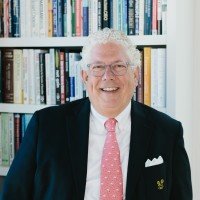
Mr. Cochran served as Chairman in the Global Financial Institutions Group at Macquarie Capital until his retirement in December 2014. Previously, Mr. Cochran was an investment banker at Kidder, Peabody & Co. and later served as Managing Director and Insurance Industry Head of Coopers & Lybrand Securities, LLC. Mr. Cochran also serves as a director of public and privately held companies, including Kemper Corporation, Lancer Insurance Company, and Signature Bank. He is also actively engaged in early stage investing through Hyde Park Angels and Northern Michigan Angels. Mr. Cochran lives in Boca Grande, Florida and Maple City, Michigan with his wife, Barbara. In Maple City, Mr. Cochran oversees Three Barn Farm where he grows heirloom cider apples.

Board Advisor since April 2025.
Doug Stanton is a #1 New York Times bestselling author, lecturer, screenwriter, and co-founder of the National Writers Series and Front Street Writers in Traverse City. Drawing on his experiences working in the US and overseas, and with contacts in various branches of the U.S. military and government, Stanton lectures nationally to corporate and civic groups, libraries, writing & book clubs, and universities about current events, international affairs, politics, and writing. Stanton has taught writing and English at the high school and college level, and worked as a commercial sports fisherman in Provincetown, Massachusetts and “caretaker” of Robert Frost’s “house” in Vermont. He and his wife Ann live in Traverse City.
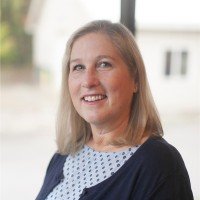
Cindy
Chormann Hann
In July 2025, Cindy completed a nine-year term as a member of the Board of Trustees at Interlochen Center for the Arts. Both as an Interlochen Camp alum and as an Interlochen Camp parent where her two daughters spent 10 summers, her history with Interlochen and advocacy for Interlochen runs deep. She was a Cabinet member of Interlochen’s successful Create Amazing Capital Campaign (2016-2019), served as Chair of the Philanthropy Committee (2021-2025), was a member of the Audit and Risk Committee and Nominating and Governance Committee, just to name a few items of her involvement.
Cindy also serves as Executive Vice President and Secretary of The Chormann Family Foundation. Her family’s Foundation has been in existence for over 25 years, supporting many very worthy organizations and initiatives. The most significant areas of support have been concentrated in Northern Michigan and Southwestern Michigan (Kalamazoo.)
Since Cindy was a little girl, she has spent summers in Leelanau County and now splits her time between her home in Northern Virginia and the family cottage on beautiful Little Glen Lake.
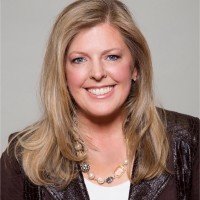
Passionate about creating rich customer connections through optimal channels with targeted, relevant messaging. I’m a strategic, analytical thinker who delivers financial results. Adept at developing cross-network global partnerships and bringing people together, whether it’s over a strategic initiative or a dinner party. Always on the hunt for my next tennis or pickleball match.
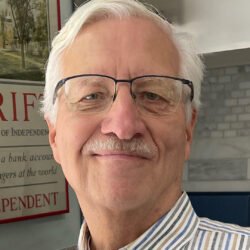
A Michigan native, Bruce was employed for nearly 40 years by Caterpillar, Inc. managing advertising, brand management and market research, while residing in Illinois, Ohio, Switzerland and Japan. He has a BA and MA in Advertising from Michigan State University. Moving to Traverse City in 2009, he was on the Board of the History Center of Traverse City until it closed. Interested in history since very young, he circled the globe five times with family, collects books, art and is an avid classic car collector.
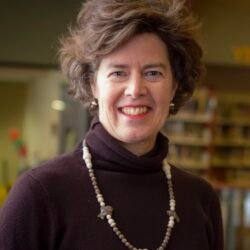
A graduate of Indiana University with a BS in Music Performance, Beth’s first job was working for a US Senator before moving to a federal agency, the National Endowment of the Arts in Washington, D.C., followed by 22 years serving in a variety of roles in the Advancement Department at Interlochen Center for the Arts. When she isn’t golfing, sailing or gardening, she will be consulting, coaching and conducting annual teaching seminars in fundraising for Extended Education Services at Northwestern Michigan College. She lives on Old Mission Peninsula with husband Bruce.
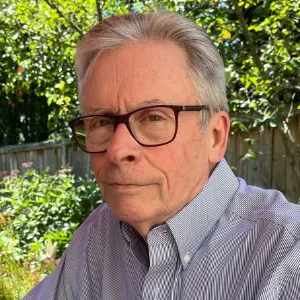
A co-founder of GTHC, Steve was a longtime Traverse City resident and served for many years on the Board of the History Center of Traverse City. His background was in writing and public relations at Crider & Morris. In March 2025, Steve re-located to Ann Arbor with his wife, Elaine.